The following is the full article quoted from _The Falmouth Enterprise_ published on 5/15/26, page 11, entitled, “Ocean Outfall Draft Environmental Impact Report Nearly Ready To Present”.
Progress toward the ocean outfall project is moving forward, Wastewater Superintendent Amy A. Lowell said at the Wednesday, May 13, Water Quality Management Committee meeting.
Lowell said she expects to be presenting the Draft Environmental Impact Report (DEIR) to the Select Board in June.
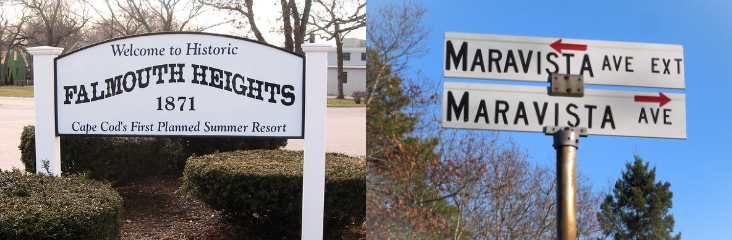
The ocean outfall project will help the town meet the goals mandated by Massachusetts Department of Environmental Protection (MassDEP) and the Clean Water Act, which will improve water quality and the health of coastal ponds and estuaries by reducing nutrient pollution. Treated wastewater will be delivered from the wastewater treatment facility, approximately 2,300 feet offshore into Nantucket Sound off Kite Park in Falmouth Heights.
The town is mandated by MassDEP to reduce nutrient loading, primarily of nitrogen. Excess nitrogen from septic systems, stormwater runoff and fertilizers can and have impaired Falmouth waterbodies.
Nitrogen loading into waterbodies causes eutrophication, which leads to algal blooms and decreased water quality and overall health of ponds and coastal embayments. Falmouth has 14 MassDEP-designated, nitrogen-impaired coastal ponds and embayments. The state requires the town to reduce its nitrogen loading to a total maximum daily load of 10 mg/L.
Lowell reported to the committee that a request for an Interbasin Transfer Act (IBTA) Determination of Insignificance has been submitted to the Massachusetts Water Resources Commission and the Department of Conservation and Recreation.
Lowell said that wastewater derived from water withdrawn within the Town of Falmouth is exempt from an IBTA review; however, town purchases under one million gallons of water per day from the Upper Cape Regional Water Supply Cooperative would be subject to the IBTA. To bypass that requirement, because the amount of purchased water is relatively small, Lowell said the determination of insignificance was requested.
Engineering contractor GDH is currently preparing the conceptual designs of the outfall, Lowell said. The next phase of funding, which Lowell said she did not have an exact amount for, will be in the range of millions and will be requested at the April 2027 Town Meeting.
The end of the outfall pipe will be beyond eel grass marine habitats, Lowell said. The six-mile pipe will be made of high-density polyethylene, which is flexible and has no joints. Isolation valves and emergency shut-offs will be in place in case of emergency.
As the sewer expands, the town’s wastewater treatment plant will require a larger capacity for treated wastewater discharge, Lowell said. The town currently discharges treated water into sand beds at the wastewater treatment plant.
When the outfall is in place, Lowell said the wastewater treatment plant will stop discharging to the sand beds, but will maintain the groundwater discharge permit and will only it as a backup in cases of emergency, maintenance or repair.
Once the final Environmental Impact Report is issued by the Massachusetts Environmental Protection Act (MEPA) office, a National Pollutant Discharge Elimination System (NPDES) permit is expected next year. Construction bids will be released in mid to late 2028 and the construction process should be complete in 2031-2032.